Sustainable Dehydrated Onion and Garlic
Key Takeaway
Dehydration can extend the usable life of onions and garlic while creating an outlet for seasonal surplus and bulbs rejected by fresh markets. Its sustainability impact depends on drying energy, water use, packaging choices, and whether procurement arrangements pass processing demand and value back to growers.
How Dehydration Can Reduce Onion and Garlic Waste
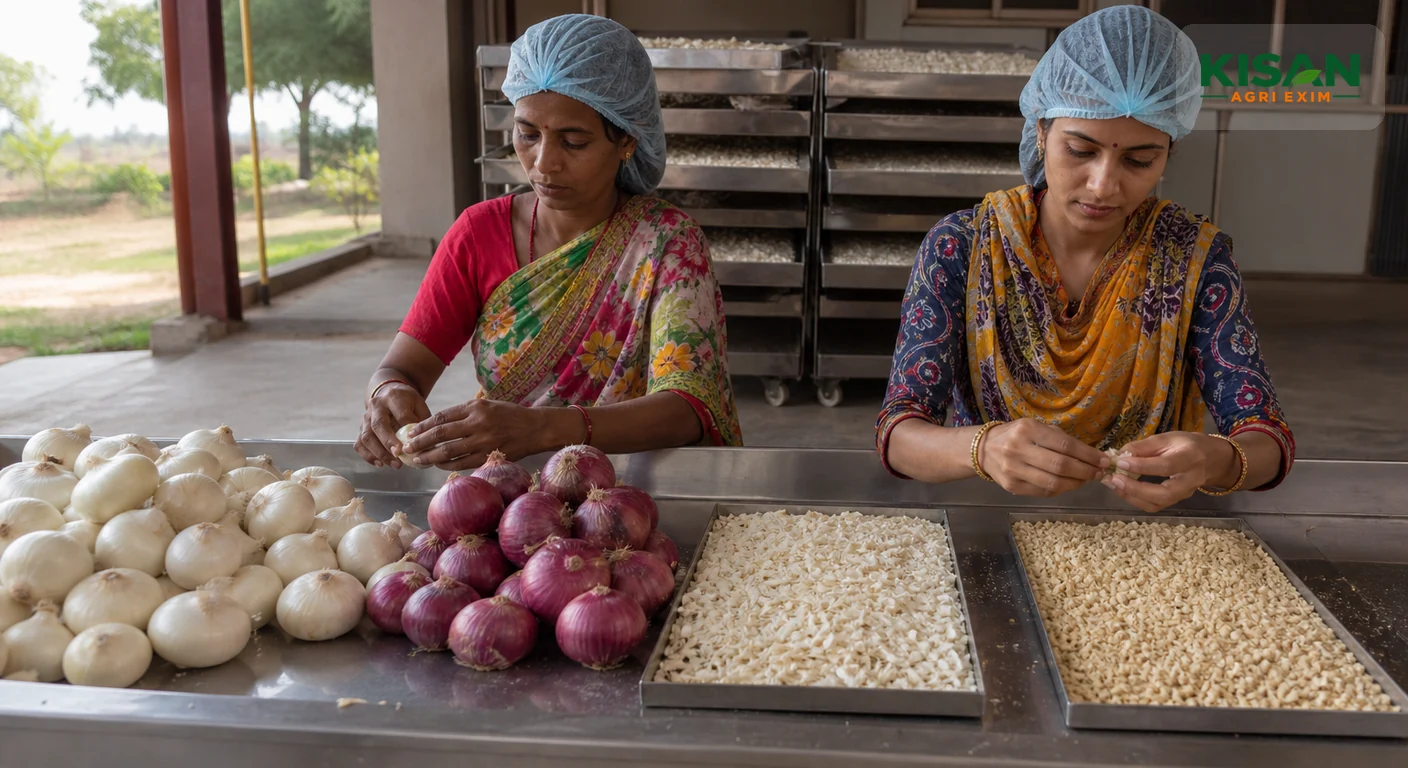
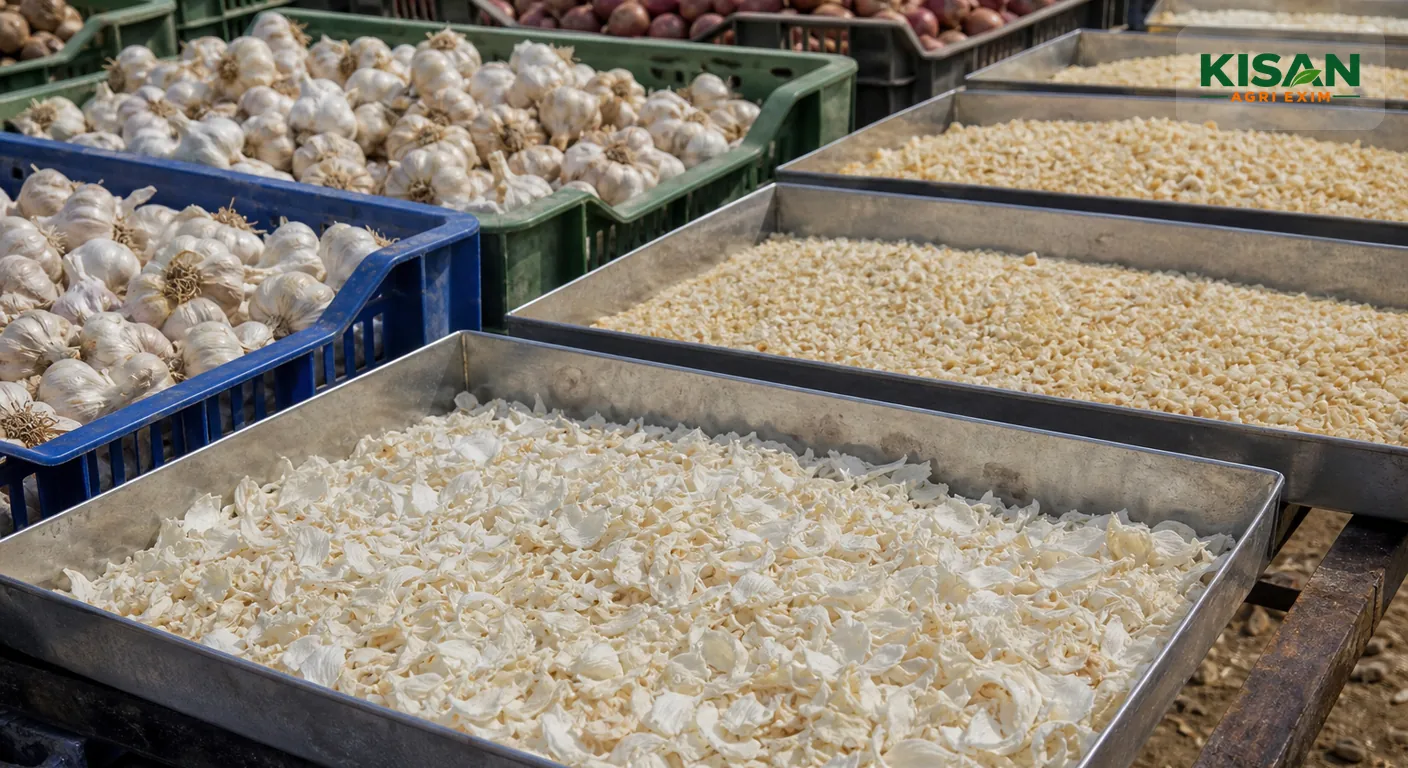
Dehydration stabilizes onions and garlic by removing moisture, slowing microbial growth and quality deterioration so the products can be stored and transported without refrigeration. It also gives processors a route for handling seasonal surplus and bulbs that fresh markets reject for appearance, though the benefits depend on how plants use water and energy and how they source raw material.
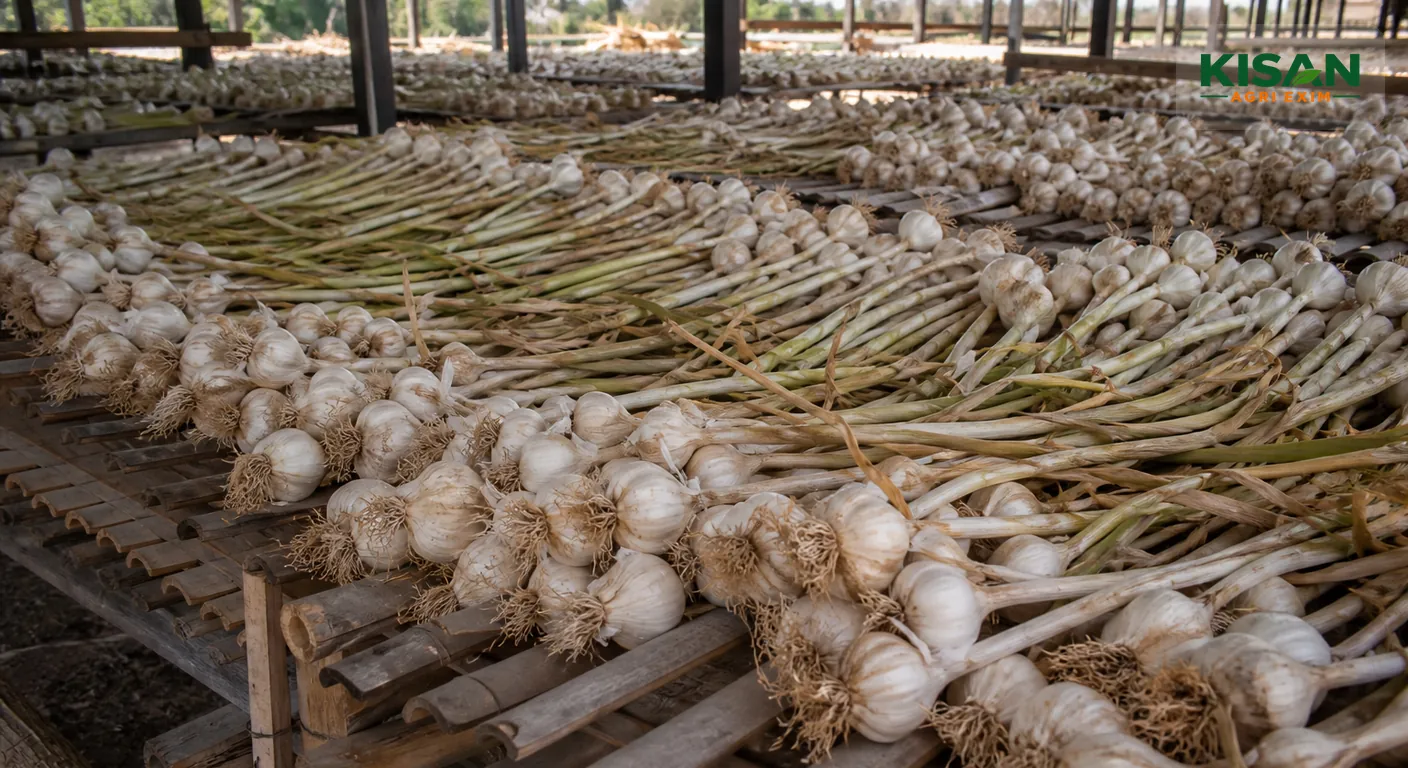
Fresh alliums can lose value through weight loss, sprouting, rot and bruising during handling and storage. Processing converts suitable bulbs into shelf-stable ingredients, reducing reliance on selling every bulb immediately into a fresh market. The result is not automatic waste prevention: rejected produce must still meet food safety and processing requirements, and a processing outlet only supports growers if its procurement terms deliver a fair and transparent return.
For buyers, sustainability is therefore a supply-chain question, not simply a product attribute. Processor practices, sourcing routes, resource use and packaging all influence the footprint behind dehydrated onion and garlic.
Resource Use in Dehydrated Vegetable Processing
Water use is concentrated in wet processing operations, including washing, peeling and sanitation. Published water-intensity figures for onion dehydration specifically are scarce, and those that exist describe individual plants rather than the sector, so they do not work as benchmarks. A buyer comparing processors will learn more from site-level consumption data for the plant in question than from any published average.
Drying also requires sustained thermal energy, with demand shaped by dryer design, heat source and operating practices. One processor projected in 2021 that its heat-pump-based dryer, then under construction in Gujarat, would cut CO₂ emissions by about 60% compared with traditional plants, with drying air heated to a maximum of 87°C and the heat reused continuously. Those are design figures for a factory the company described as not yet operational, so they indicate what the technology was intended to achieve rather than measured performance.
Recovering moisture from dryer exhaust can also reduce freshwater demand. The same processor projected that collecting, cleaning and reusing the water evaporated from the onions would save about 67% of water against a traditional dehydration factory, and bring the plant under 1 m³ of water per MT of product, excluding sanitary use. Recovery of this kind depends on specialized heat-exchange equipment, and both figures were forecasts for a plant that had not yet started operating, so they describe a design intention to verify rather than a result to rely on.
Packaging presents a separate trade-off. Dried onion and garlic absorb moisture, so export packaging needs to protect product quality and food safety. Inner liners and outer cartons, paper bags or bulk containers can create waste at the destination. Buyers can reduce avoidable waste by reviewing packaging format and separation practices with suppliers and destination manufacturers.
Farmer Impact Depends on Procurement
Processing plants can absorb seasonal gluts by purchasing volumes that fresh wholesale markets may struggle to clear. They can also use bulbs rejected on cosmetic grounds—such as irregularly shaped, split or non-standard-sized produce—when the material remains suitable for processing. This secondary demand can reduce avoidable disposal and provide growers with another potential market outlet.
Whether that outlet improves farm-gate returns depends on the procurement route. In open-market auction systems, prices respond to immediate supply and demand; during a glut, growers may face sharp price falls as well as deductions and transport costs. Direct sourcing or aggregation through farmer organizations can reduce intermediary layers, but it does not guarantee a better return by itself.
Price formation and transparency determine how much value reaches the farm. Clear weighing, agreed quality or dry-matter assessment, understandable deductions and timely payment help growers evaluate an offer. Planned procurement can reduce exposure to spot-market volatility, but pricing still needs to account for production costs and the conditions of the processing market. A processing outlet benefits farmers only when purchase terms and actual payment make that benefit real.
What Buyers Should Evaluate
A useful sustainability review focuses on evidence that connects plant operations with supply-chain outcomes. Buyers should prioritize three areas:
- Resource performance: Request site-specific freshwater consumption per MT of dehydrated output, along with information about water recovery, effluent treatment and drying-line heat recovery.
- Grower linkage and price transparency: Establish whether raw material comes through open commission markets, aggregators or grower groups, and how weighing, quality assessment, deductions and payment timing are handled.
- Waste and packaging management: Understand how processing residues such as skins and root plates are managed, and how inner liners and outer packaging are separated or handled after use.
These details help procurement teams distinguish a documented practice from a broad sustainability claim. They also connect environmental performance to farmer impact: a plant may create demand for surplus bulbs, but transparent sourcing and payment determine whether growers share in that opportunity.
Conclusion
Dehydration can extend the usable life of onion and garlic, create an outlet for seasonal surplus and reduce losses, but its sustainability depends on resource performance and procurement terms. For procurement managers, QA leads and supply chain directors, the practical test is evidence: site-level water and energy practices, responsible packaging and a clear account of how growers are paid.
Next Step
See specifications and cut forms in our dehydrated onion range or dehydrated garlic range, or talk to our export sales desk to get tailored product specifications and custom bulk pricing for your market.
FAQs
How does dehydration reduce post-harvest loss?
Dehydration removes moisture and stabilizes onions and garlic, reducing deterioration during storage and transport. It also creates a processing outlet for suitable seasonal surplus and bulbs that fresh markets reject for appearance.
Can onion dehydration reduce water and energy use?
It can. Water recovery and heat-pump drying are designed to cut water use and emissions, but a cleaner heat source can lower emissions without lowering energy use, and results depend on the equipment and the facility. Measured site data from the processor is the only reliable answer.
Does processing surplus onion guarantee higher farmer income?
No. A processing outlet can add demand, but grower returns depend on the procurement route, price formation, quality assessment, deductions and payment transparency. Buyers should distinguish the existence of a market outlet from evidence that its value reaches farmers.
Ready to source?
Looking for a reliable export partner?
Our export team responds within 24 hours to help you with your bulk sourcing and custom quotation requirements.